Cats and recovery peptides: an honest, careful guide
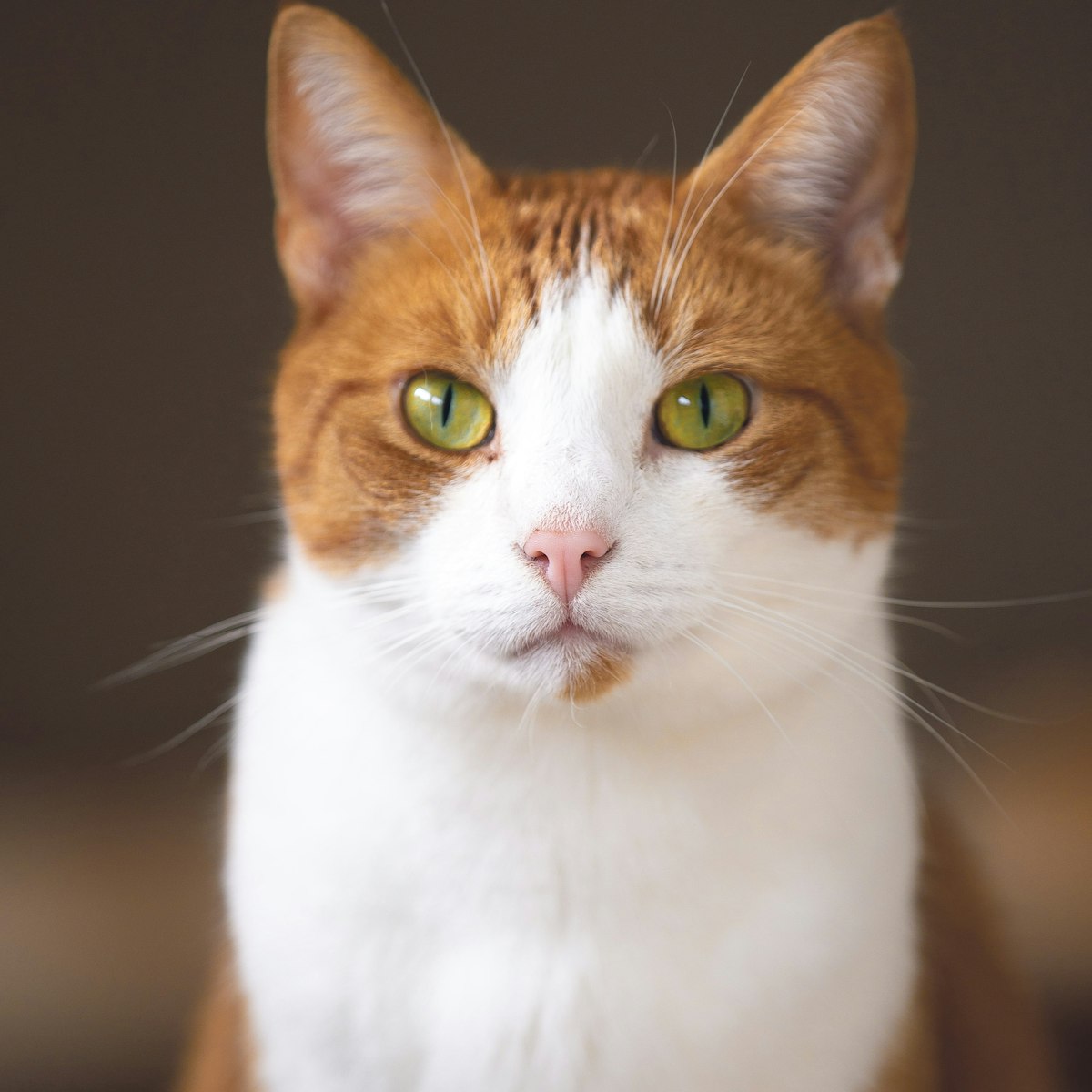
Cats are even better than dogs at hiding trouble, and their small size leaves little margin for error, especially when it comes to dosing. This is an honest, careful guide to where recovery peptides fit for a cat, and how to give them safely.
Why cats hide trouble
A cat won't limp to tell you something hurts. Instead you get subtle signals: picking at food, losing condition despite eating, moving a little less, or a coat that has lost its shine. It is easy to normalise, until you realise it has been going on for months.
See your vet first
Diagnosis before supplements
Feline data on these peptides is the thinnest of any species, and many feline problems are treatable once diagnosed. Always start with your vet, a supplement is not a diagnosis, and cats deserve extra caution.
Where BPC-157 fits
BPC-157, "Body Protection Compound", was first studied in the gut and is discussed for soft-tissue and gut-lining support. It is the single peptide we'd point a cat owner to first, because one peptide is easier to dose accurately than a blend. The evidence is emerging and largely preclinical; we won't pretend otherwise.
Dosing such a small animal
This is the part that matters most. Because a cat is tiny and our vials are concentrated, we reconstitute to a larger volume so the dose stays measurable on a U-100 insulin syringe. Our calculator starts at the safe minimum and warns you when a dose is too small to measure, and for cats, it should always be vet-confirmed before you begin.
Explore the full cats range, or read peptides explained.