Peptides for horses: recovery, soft tissue and soundness
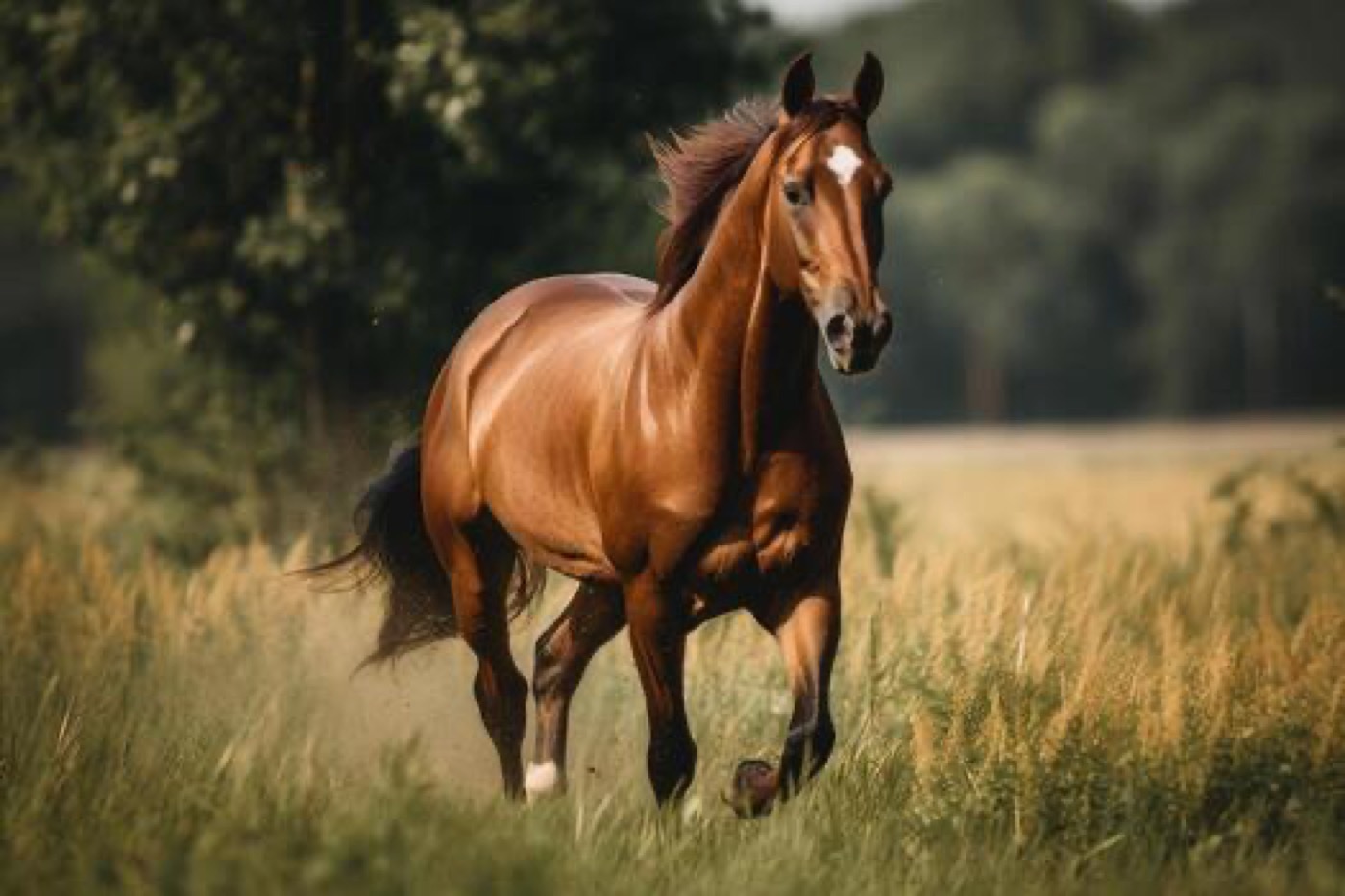
Peptides earned their reputation in the performance-horse world long before they reached the family dog. From the eventing yard to the ageing paddock companion, here is how BPC-157 and TB-500 are used in equine recovery, and how dosing changes for a 450 kg animal.
Why horses, first
Horses live and die by their soft tissue. A tendon or ligament injury can end a career or, worse, a life. That is why the recovery peptides, BPC-157 and TB-500, were adopted so early by performance-horse vets and trainers looking for every legitimate edge in rehabilitation.
What they are used for
- Soft-tissue, tendon and ligament recovery after strain or surgery
- Support through rehabilitation and controlled return-to-work
- General maintenance for the older horse losing condition and suppleness
The honest evidence
Where the science sits
Both peptides grade as emerging, popular in equine circles and promising in preclinical research, but without large controlled equine trials. Use them as considered, adjunctive support within a proper rehabilitation plan, with your equine vet fully involved.
Dosing a 450 kg animal
Dosing scales with body weight, so equine doses are far larger than a dog's, research protocols for large animals are often discussed in the range of a few milligrams per administration, sometimes daily. Our dosing calculator includes a horse setting and handles the reconstitution and syringe maths, but equine dosing in particular should be signed off by your veterinarian.
See the horses range, or learn how the two peptides stack in the TB-500 guide.