Helping a senior dog stay mobile: recovery peptides and the stairs test
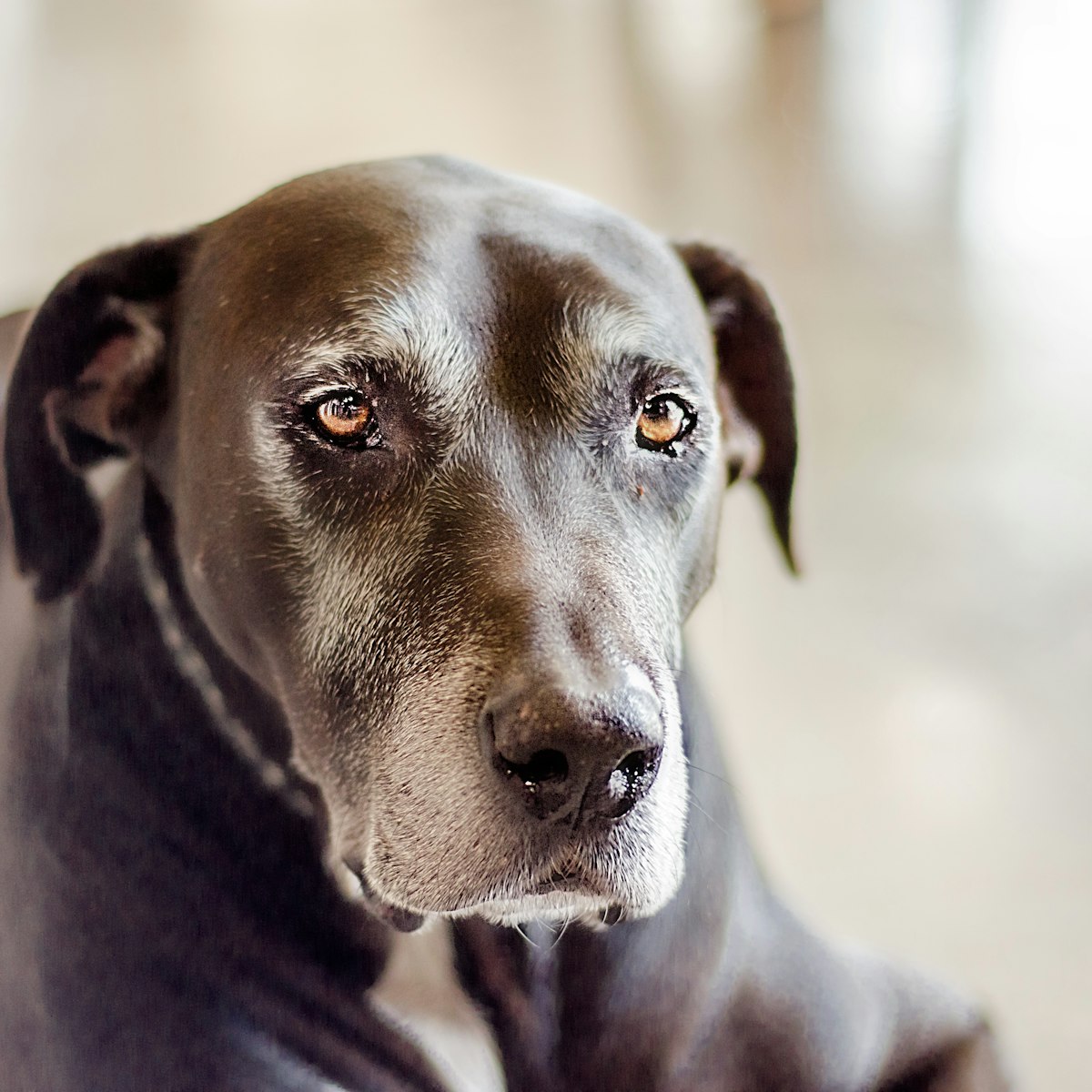
The hardest part of a senior dog is how well they hide it. Dogs are built to mask discomfort, so by the time you notice the groan getting onto the couch or the reluctance on the stairs, the stiffness has usually been building for a long time. Here is an honest look at where recovery peptides fit, and where they don't.
The pain they hide
Watch for the quiet signs: a slower first few steps after sleep, a boost onto the bed that has become a scramble, a shortened walk, a new preference for the ramp over the stairs. None of these are "just old age", they are the early, addressable stage of joint and soft-tissue decline.
See your vet first, genuinely
Rule things out
Mobility decline has many causes, and some are very treatable. Before any supplement, get a diagnosis: pain relief, weight management and gentle exercise are the proven foundations of senior mobility, and your vet should lead that plan. Peptides sit alongside it, not instead of it.
Where the peptides fit
Mobility decline is largely a soft-tissue and joint story, and that is what the recovery peptides are discussed for. BPC-157 is studied for soft-tissue and connective-tissue support, and the BPC-157/TB-500 Blend pairs it with TB-500 for deeper repair. Both are a once-daily (or weekly, for TB-500) subcutaneous injection, dosed by body weight.
We will be straight: this evidence is emerging, largely preclinical, not proven in large controlled dog trials. What we guarantee is purity, with a Certificate of Analysis in every order. Start at the safe minimum dose the calculator gives you.
The stairs test
You don't need a lab to tell whether it is helping. Pick one repeatable moment, the back-door stairs, the jump into the car, the first lap of the morning walk, and watch it across the weeks. Faster, keener, less hesitation: that is the signal. Involve your vet, rule out anything serious first, and give it a genuine 8 to 12 weeks.
More on the science in peptides explained, or shop the dogs range.